銘記Remember
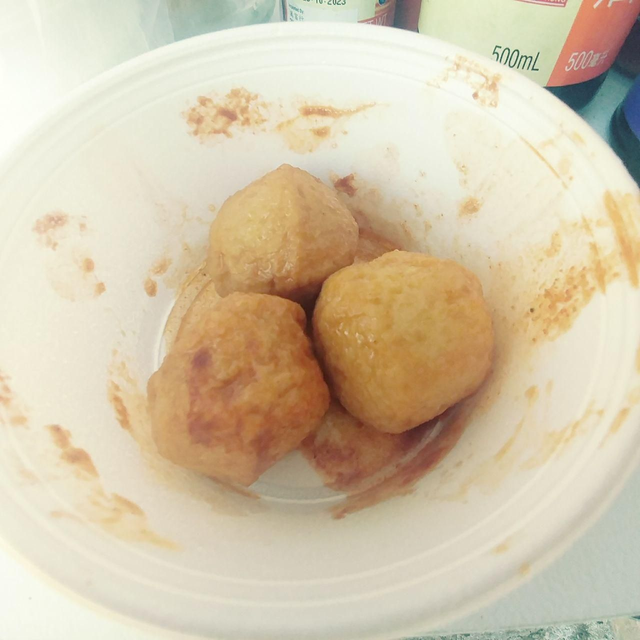
The year was 2016, and the city of Hong Kong was in turmoil. A new wave of protests had swept through the streets, sparked by a dispute over street vendors selling street food. It was a clash between the government and the people, and the tensions were at an all-time high.
The fishball revolution, as it came to be known, began as a peaceful protest, with people gathering in the streets to support the street vendors and their right to sell their wares. But as the days went on, the demonstrations became more heated, with clashes between protesters and police becoming increasingly common.
The government responded with force, using tear gas and pepper spray to disperse the crowds. But the protesters were determined, and they refused to back down. They saw the fishball revolution as a symbol of their struggle against a government that they felt was increasingly out of touch with the needs of its people.
The protests went on for days, with thousands of people taking to the streets to show their support for the cause. It was a powerful display of people power, as ordinary citizens came together to stand up for their rights and to fight for a better future.
Despite the violence and the government's attempts to quell the protests, the fishball revolution continued to grow. It became a global symbol of resistance, inspiring people all over the world to fight for their own causes and to stand up for what they believed in.
In the end, the fishball revolution was a turning point for Hong Kong. It showed that the people would no longer accept a government that acted without their consent, and it paved the way for a new era of activism and resistance. And while the specifics of the protest may have faded from memory, the spirit of the fishball revolution lives on, inspiring people everywhere to stand up for what they believe in and to fight for a better future.
Explore